
What Are rPP and rPS? Understanding PCR Recycled Plastic Cutlery and Food-Contact Applications | News and Events | Custom Plastic Cutlery Design & Plastic Tableware Manufacturing | Tair Chu
Tair Chu What Are rPP and rPS? Understanding PCR Recycled Plastic Cutlery and Food-Contact Applications. Tair Chu is dedicated to plastic cutlery design and plastic tableware manufacture to satisfy customer's needs of diversity and abundance of cutlery in the world.. Tair Chu with more than 40 year experience in the plastic injection and food package industry accumulate solid experience in building customized products including plastic cutlery, food containers, drinking cups and lids. Tair Chu provides not only OEM tableware service but also our unique design tableware to our customers to give them edge over their competitors.
What Are rPP and rPS? Understanding PCR Recycled Plastic Cutlery and Food-Contact Applications
As recycled materials continue to attract attention in the market, plastic cutlery is no longer limited to virgin plastic materials. More products made from recycled materials are now entering the market. rPP and rPS are two common types of recycled plastic materials, produced through processes such as collection, sorting, processing, and reprocessing, allowing recovered plastics to become materials for new products.For foodservice businesses and brands, recycled materials are not only another material option, but are also becoming a consideration when planning products and packaging.
However, when recycled plastics are used for food-contact products such as cutlery and food containers, it is important to consider not only the material itself, but also the source of the recycled material, the recycling process, and food-contact requirements in different markets.
So, what do rPP, rPS, and PCR mean? And how can recovered plastic become material for manufacturing new cutlery?
What Are rPP and rPS? Understanding “r” and PCR
When you first come across rPP and rPS, the easiest place to start is with the letter “r.”
r = recycled.
PP stands for Polypropylene, while PS stands for Polystyrene.
Therefore:
rPP = recycled polypropylene
rPS = recycled polystyrene
Simply put, rPP and rPS are made by processing recovered PP or PS plastics through processes such as sorting, cleaning, processing, and reprocessing, turning them back into materials that can be used in manufacturing.
Another term commonly seen when discussing recycled materials is PCR.
PCR stands for Post-Consumer Recycled, referring to materials recovered after consumer use and processed so they can be used again in manufacturing.
In simple terms:
rPP and rPS refer to recycled PP and recycled PS, while PCR refers to materials recovered and reprocessed after consumer use.
What Happens to Plastic After It Is Recycled?
Plastic recycling involves more than simply collecting used plastic.
After collection, plastics are sorted according to their material type and source. They then go through processes such as cleaning, processing, shredding, and reprocessing to form recycled plastic materials, which can subsequently be manufactured into different products according to their intended applications.
For example, recovered PP can undergo recycling processes to become rPP and be reintroduced into plastic product manufacturing. Similarly, PS can go through corresponding recycling processes to become rPS.
The process can be summarized as:
Recycling→ Sorting → Processing → Reprocessing → Manufacturing New Products
This is the basic concept behind how PCR materials can re-enter the product manufacturing cycle.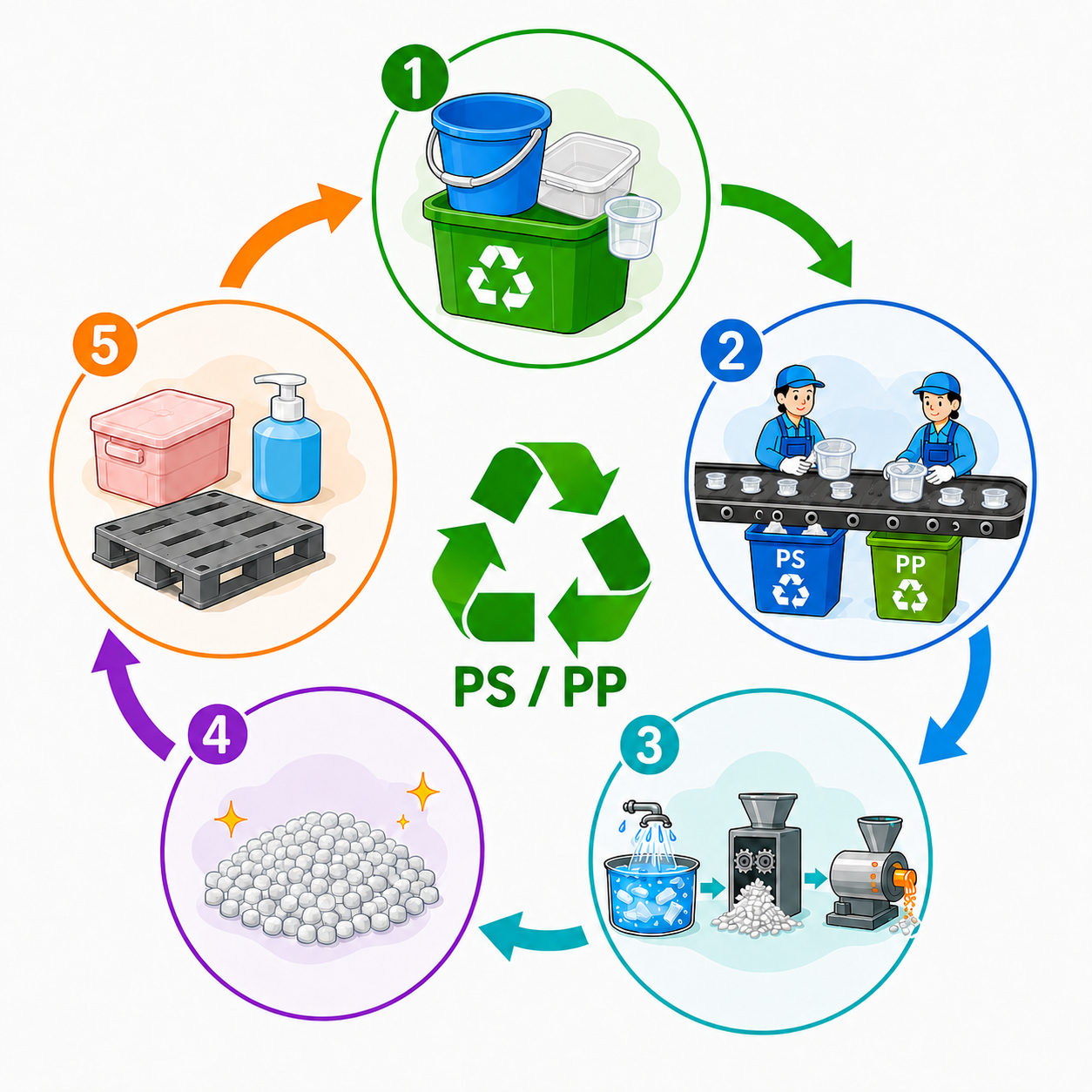
Why Does Recycled Plastic for Food-Contact Applications Require Special Attention?
Recycled plastics can be used in many different products. However, when they are used for cutlery, food containers, food packaging, or other food-contact products, food-contact safety requires particular attention.
This is because recovered plastics may have been exposed to different substances before entering the recycling process. Therefore, it is not enough to simply identify the material as PP or PS. Factors such as the source of the recovered material, sorting, cleaning, contaminant removal, and recycling processes also need to be considered.
Under the U.S. FDA approach, recycled plastics intended for food-contact applications are evaluated based on the recycling process and the intended conditions of use. The effectiveness of the recycling process in reducing potential contaminants is also an important consideration. The FDA continues to publish evaluation information related to recycled plastics for food-contact applications.
Therefore, when recycled plastics are used in food-contact products, the key considerations are not simply whether the material is recycled, but also:
Where the material comes from, how it is processed, and whether the final product meets the food-contact requirements of the target market.
How Are Recycled Plastics Regulated in International Markets?
Several international markets have established regulatory frameworks for recycled plastics intended for food-contact applications.
For example, the U.S. FDA has an evaluation system for recycled plastics used in food-contact applications, and its publicly available information includes cases involving recycled plastics such as PCR-PP.
The European Union has also established a regulatory framework for recycled plastics intended for food contact, covering recycling technologies, recycling processes, and their use in food-contact applications. The relevant requirements remain in effect, with the latest consolidated version updated in December 2025.
These developments show that recycled plastics are not simply categorized as “allowed” or “not allowed.” Their suitability for specific applications depends on factors such as the source of the material, recycling process, and conditions of food contact.
Taiwan’s Current Approach
Taiwan has established hygiene standards and regulatory requirements for plastic utensils, containers, and packaging intended for food contact.
Under Article 6 of Taiwan’s Standards for Specification, Scope, Application and Limitation of Food Utensils, Containers and Packages, food utensils, containers, and packaging must comply with the applicable testing standards. Plastic materials must also meet the relevant requirements for plastic materials in addition to the general requirements.
Therefore, when recycled plastics are used for food-contact products such as cutlery, the key consideration is not only the percentage of PCR material used, but also whether the material and finished product meet the relevant food-contact requirements in Taiwan.
For foodservice businesses and brands considering recycled-material cutlery such as rPP or rPS, it is recommended to consider not only the PCR content, but also the material, conditions of use, and relevant testing information when selecting products.
Why Are Manufacturers Using PCR Materials?
For manufacturers, using PCR materials is more than simply changing the type of plastic material used.
More importantly, it creates an opportunity for recovered plastics to re-enter the material cycle.
A conventional plastic product flow can be illustrated as:
Raw Material → Manufacturing → Use
With recycling and reprocessing, the cycle can become:
Use → Recycling→ Processing → Manufacturing New Products
This allows plastic that has already been used to be processed and incorporated into the production of new products.
As a result, PCR materials are becoming another material option that brands and businesses can consider when planning cutlery, packaging, and other products.
For manufacturers, this is not simply a change in material. It also represents broader possibilities for applying recovered materials to real-world products.
What Products Can PCR Be Used for Besides Cutlery?
PCR recycled plastics have a wide range of applications. In addition to cutlery and food packaging, they can be used in household and industrial products depending on the characteristics of the material and the requirements of the final product.
| Application | Common Products |
|---|---|
| Household Products | Storage products, cleaning product containers, daily-use products |
| Packaging Products | Plastic bottles, plastic containers, packaging materials |
| Logistics & Industrial Products | Plastic pallets, reusable containers, industrial containers, plastic components |
| Automotive Products | Automotive interior components, plastic structural parts, functional components |
From everyday products to industrial applications, PCR recycled plastics can be used across different fields depending on material characteristics and product requirements.
TAIR CHU’s rPP and rPS Recycled Material Cutlery
Recycled materials are also increasingly being applied to cutlery for foodservice use.
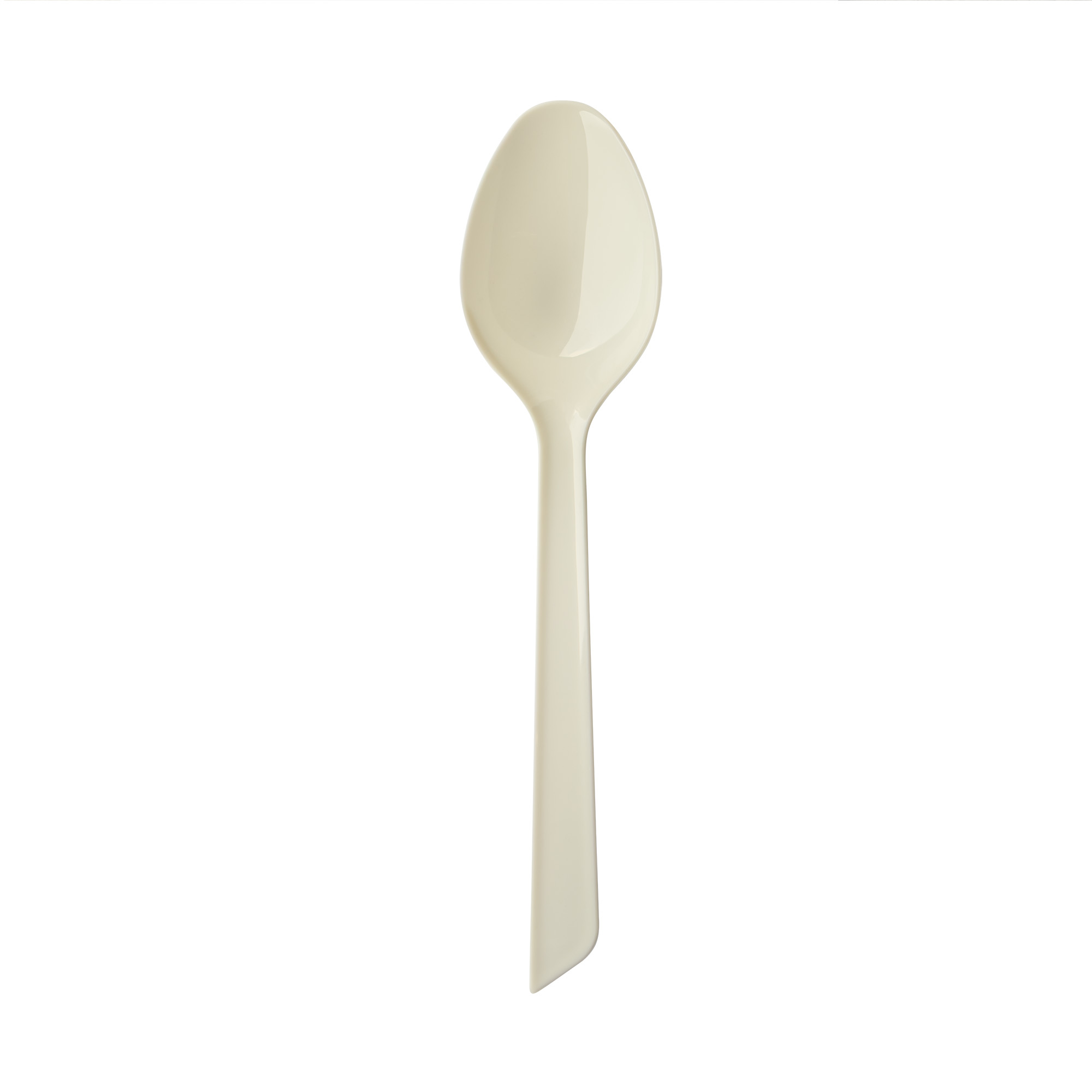
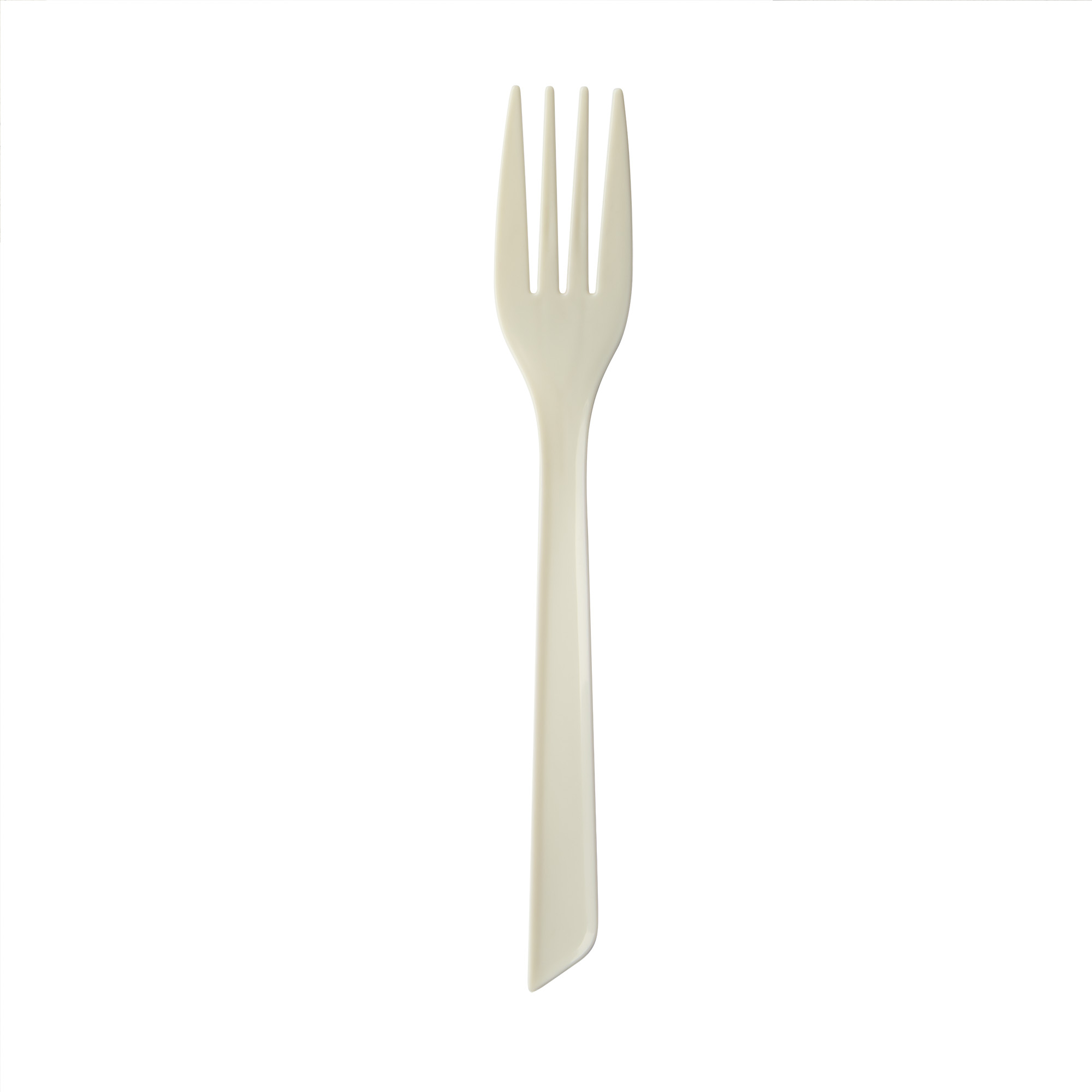
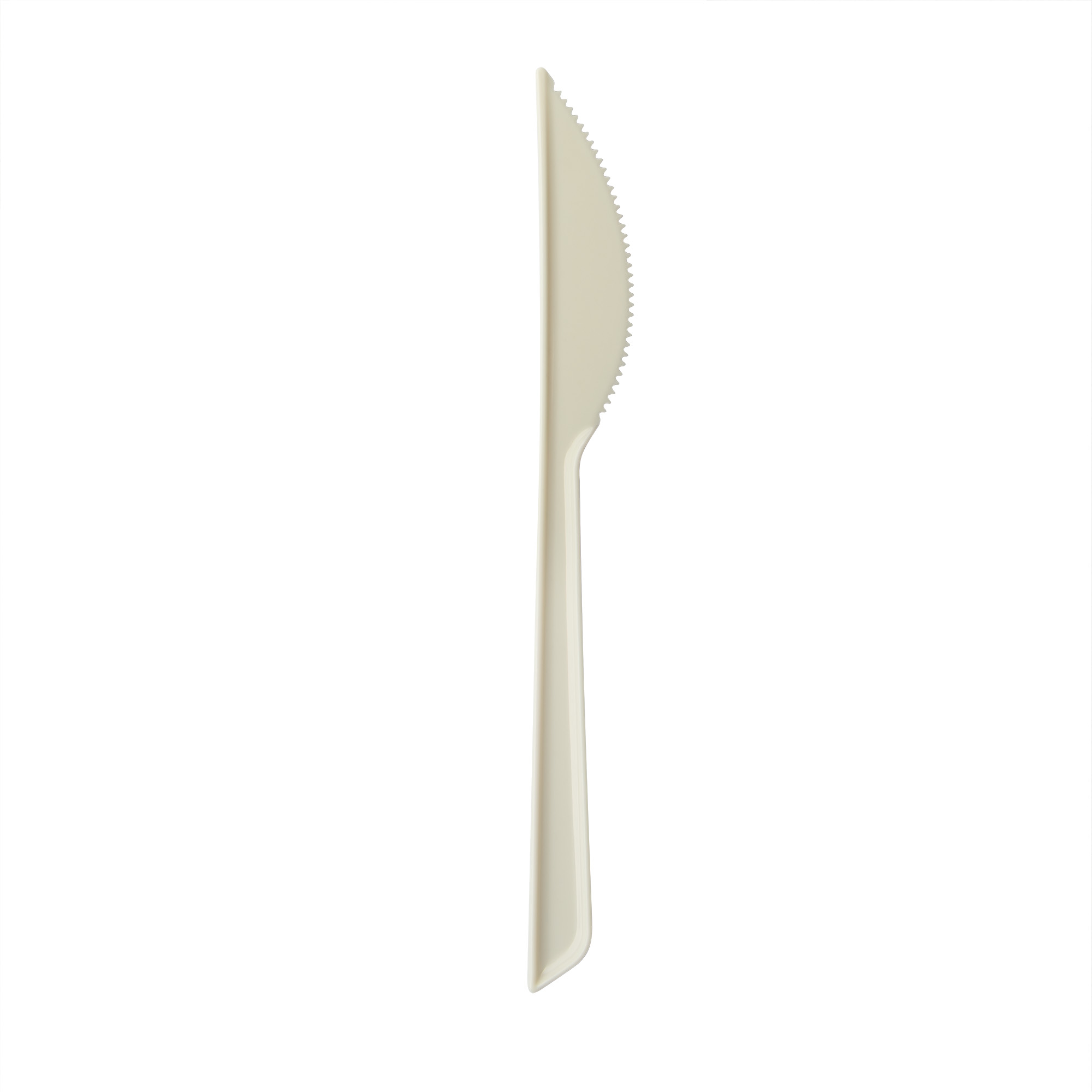
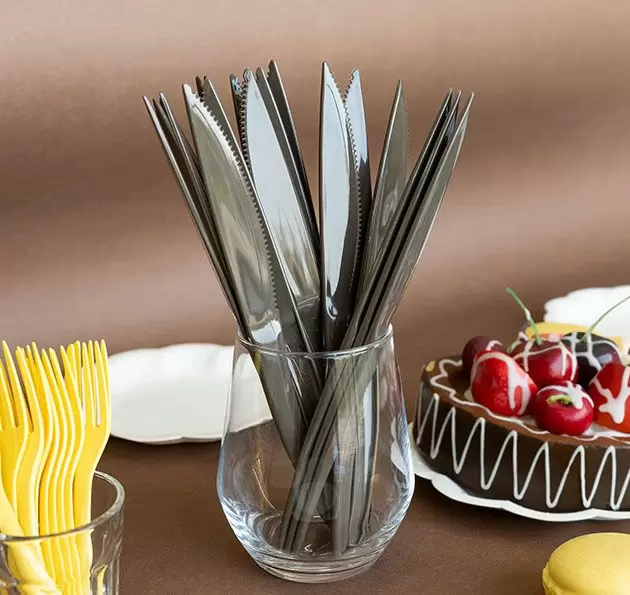
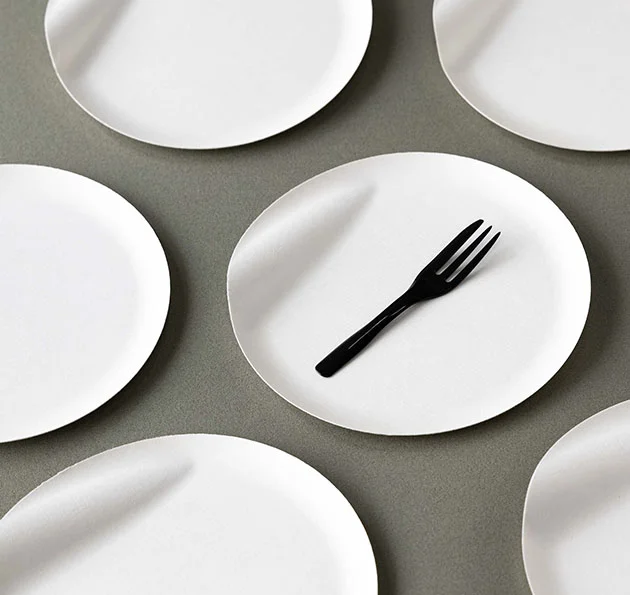
TAIR CHU offers rPP and rPS cutlery made with PCR materials, including spoons, forks, and knives. Our rPP cutlery is available with 50% PCR and 100% PCR options and can withstand temperatures of up to 120°C, while our rPS cutlery is made with 95% PCR material.
With different PCR content and material options, foodservice brands and businesses can select recycled-material cutlery according to their product requirements, intended applications, and target markets.
 |
 |
 |
Recycled Materials in Cutlery Manufacturing
For foodservice businesses and brands, material is an important consideration alongside cutlery size, design, and functionality.
As recycled materials continue to develop, rPP and rPS are becoming part of cutlery manufacturing, giving foodservice brands more material options to consider.
As a cutlery manufacturer, TAIR CHU continues to explore the application of different materials in foodservice products and incorporate PCR recycled materials into cutlery manufacturing, providing brands and foodservice businesses with more choices for their cutlery needs.
rPP and rPS refer to recycled polypropylene and recycled polystyrene, while PCR refers to Post-Consumer Recycled materials.
Recovered plastics can be sorted, processed, and recycled into materials for manufacturing new products. For food-contact applications, additional consideration must be given to the source of the material, recycling process, and relevant requirements in different markets.
For foodservice packaging and cutlery manufacturers, the development of recycled materials is creating more possibilities in material selection for cutlery products.
Interested in rPP and rPS recycled-material cutlery?
TAIR CHU offers rPP and rPS cutlery as well as foodservice packaging products. If you have requirements related to cutlery sourcing, material selection, or B2B products, please contact us to learn more about the cutlery solutions available for your business.
References:Sanitation Standard for Food Utensils, Containers and Packages
References:Commission Regulation (EU) 2022/1616 ,and Regulation (EU) 2025/351、Regulation (EU) 2025/2269
Contact us:
Tel:+886-4-23350398
Address:No.80-18-1, Qingguang Rd., Wuri Dist., Taichung City 41462, Taiwan



Hot Products
 Download
 What Are rPP and rPS? Understanding PCR Recycled Plastic Cutlery and Food-Contact Applications | Custom Plastic Cutlery Design & Plastic Tableware Manufacturing | Tair Chu
Located inTaiwan since 1978, Tair Chu Enterprise Co, Ltd. has been a disposable plastic cutlery and plastic tableware manufacturer. Their main compostable plastic with cutlery and tablewares, include plastic cutlery, plastic spoon, plastic fork, plastic knife, plastic spork, ice cream spoon, cake fork and party cutlery, which have 3000 selections with eco-friendly certifications.
Tair Chu with more than 40 year experience in the plastic injection and food package industry accumulate solid experience in building customized products including plastic cutlery, food containers, drinking cups and lids. Tair Chu provides not only OEM tableware service but also our unique design tableware to our customers to give them edge over their competitors.
Tair Chu has been providing customers high-quality plastic flatware, cutlery and tableware products, both with advanced technology and 45 years of experience, Tair Chu ensures each customer's demands are met.